
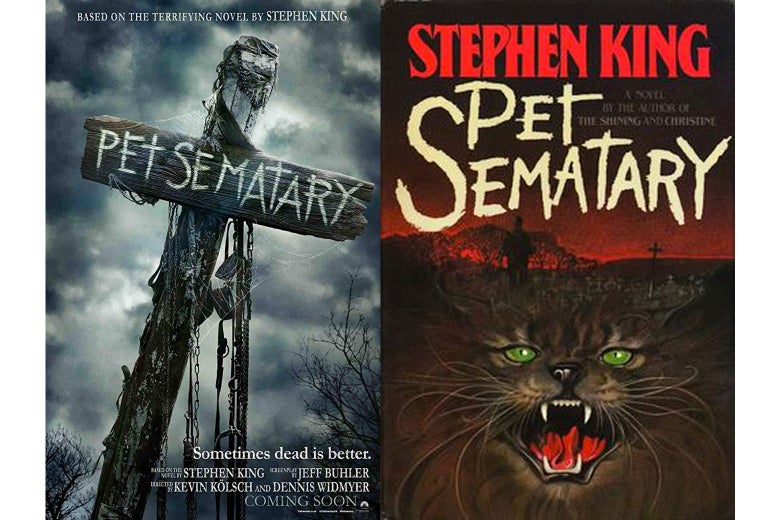
A lot of us love our movies and with the remake of a 80`s classic, Pet Sematary, I decided to re-watch the original and straight away, I asked myself about the Micmac Indians that were mentioned in the movie.
In the movie the Micmac Indians were the ones that used the stone circle as a burial ground and in the movie the circle was able to bring the dead back to life. OK, so these circles we see today, may not be able to bring back the dead (to my knowledge) but I have never heard of the Micmac Indians so I had a brief look at the facts.
Micmac or Mi`kmaq

One thing I noticed was differing spellings of the name for these Indians and it is said Mi`kmaq is preferred as Micmac and can be seen as colonially tainted. The history of the Mi`kmaq before European contact is very little but they had a long pre European contact history.
The Mi`kmaq are said to be the first of the Indian peoples in north america to establish trade with the Europeans.
Movie Legend
So in the movie Pet Sematary, the Indian burial ground marked with a medicine wheel is where the dead animals and people can be buried and brought back to life. It was said the ground became sour when the Indians dug up human remains to eat, during a harsh and long winters and by doing this they were cursed by a Wendigo spirit and in turn cursing the very ground to become evil.
Wendigo Legend

So in the movie it is said a Wendigo cursed the land leading to the land becoming sour and the dead reanimating with a Wendigo curse.
After searching information on the Wendigo the folklore about these evil spirits is more terrifying than we see in the film.
The North American Indian tribes including the Mi`kmaq had many stories of the Wendigo and in some of these stories the Wendigo is a terrifying spirit that can become visible. Some say this evil spirit appears at 15 foot in height with a ash grey appearance looking gaunt and bony and forever hungry. It was told among the communities that if you are to eat human flesh you will be cursed by the Wendigo.
So could the Wendigo reanimate the dead? Well it is said some people after eating of human flesh were possessed by the Wendigo, this as lead to an actual condition given to people that resort to cannibalism when in reach of normal food supplies, this has been named Wendigo phycosis. So the more a Wendigo eats the bigger, stronger and more powerful it becomes and we are talking supernaturally and physically powerful. Powers that give the wendigo control over animals, the weather and with age becomes a shaman with mystical abilities including summoning and controlling beasts from the surrounding lands.
So in short with a list of abilities like this, it wouldn’t be a surprise if one of these abilities is to reanimate the recently deceased animal or human to zombie like status.
The Movie inspiration
The inspiration for this movie came about when Stephen King rented an house on a very busy road in Orrington while teaching for a year at the University of Maine.
This busy road claimed the lives of a number of pets to the point the children in the area created a pet cemetery near Kings home. Kings daughter lost a cat to this road and his son also had a close call, with all these events it inspired King to write this novel. Stephen King after completing this novel believed he had gone too far and too dark with the story line and if it wasn’t for needing a final story for his contract he may have left it unpublished.
I for one I`m happy he did publish this novel.
John Williams




Leave a Reply