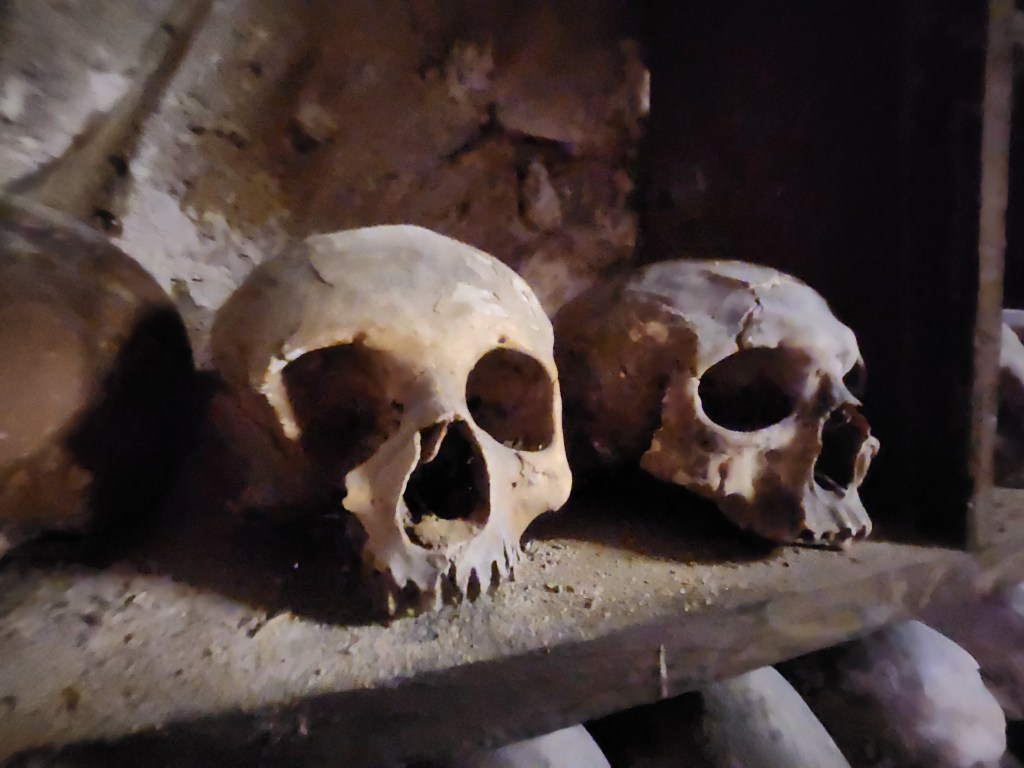
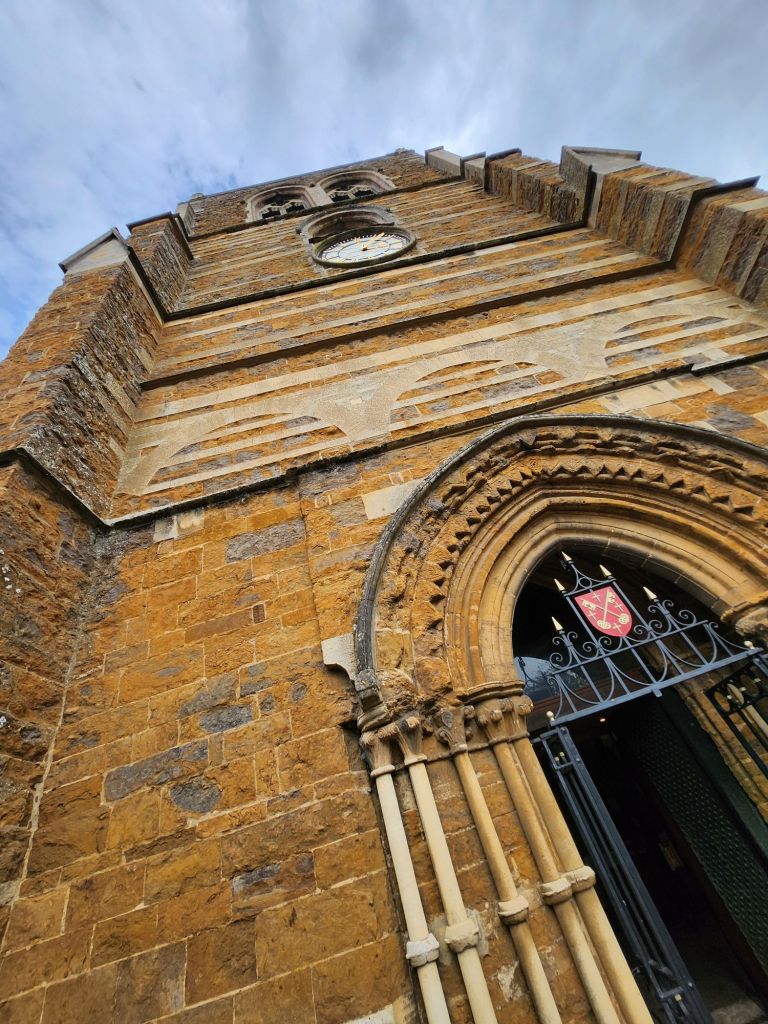
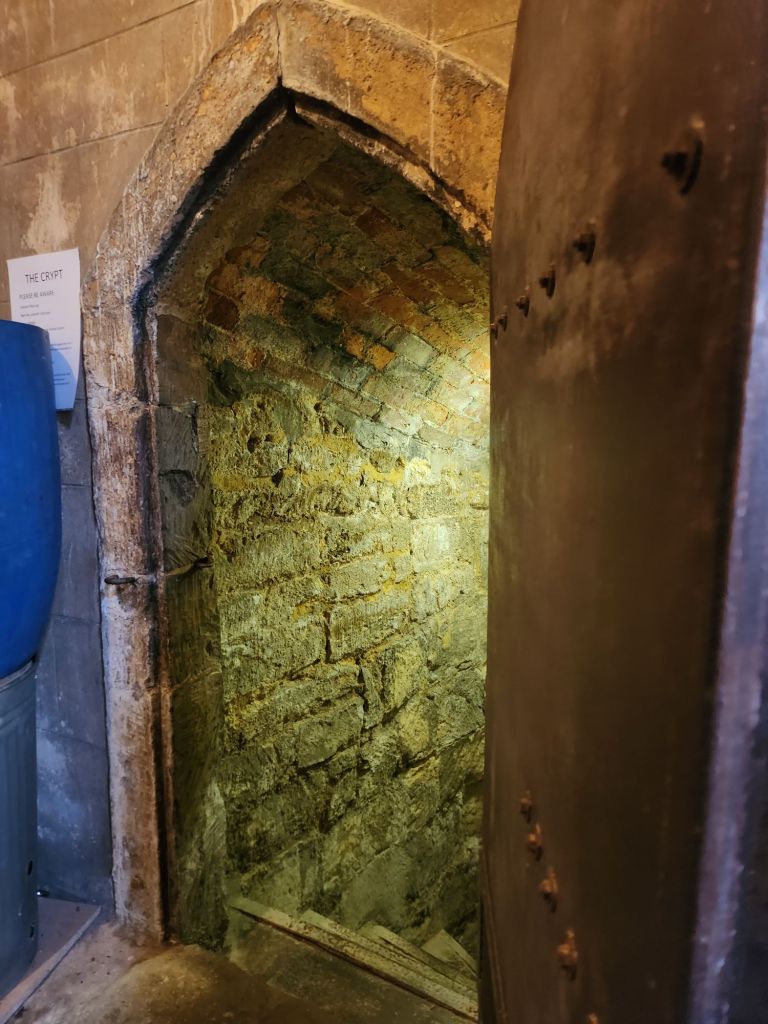
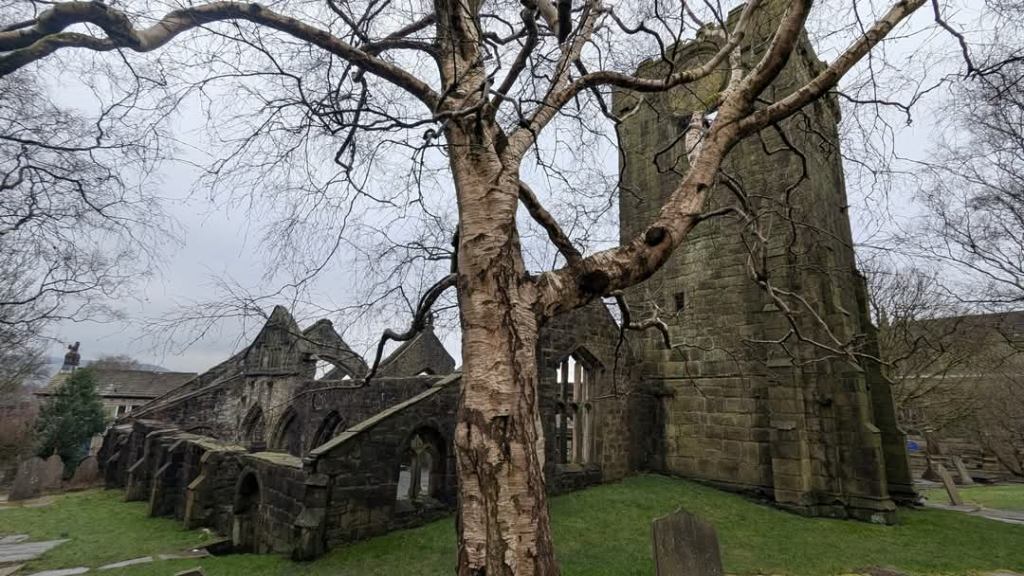
Down a small, twisty stairway within the church is a small and mysterious 13th-century ossuary packed with the remains of around 2,500 people.
According to local legends, the crypt beneath the unassuming church was forgotten for centuries. It was allegedly rediscovered in the 18th century by a clumsy gravedigger who fell through a window and plummeted 12 feet in utter darkness before landing among the piles of bodies.
Though the crypt dates from the 1200s, the bones that fill it are from later centuries as well. People aren’t quite sure where the skeletons came from or why they wound up there. It’s most likely they came from a nearby graveyard, but that didn’t stop some from conjuring up theories about medieval Danes slain in battle, its a mass grave of plague victims and links to the Knights templar.
The bones have recently been catalogued and organized by academics from the University of Sheffield. You can now see labelled skulls lining the shelves around the edges of the crypt and large piles of thigh bones in the centre of the room.
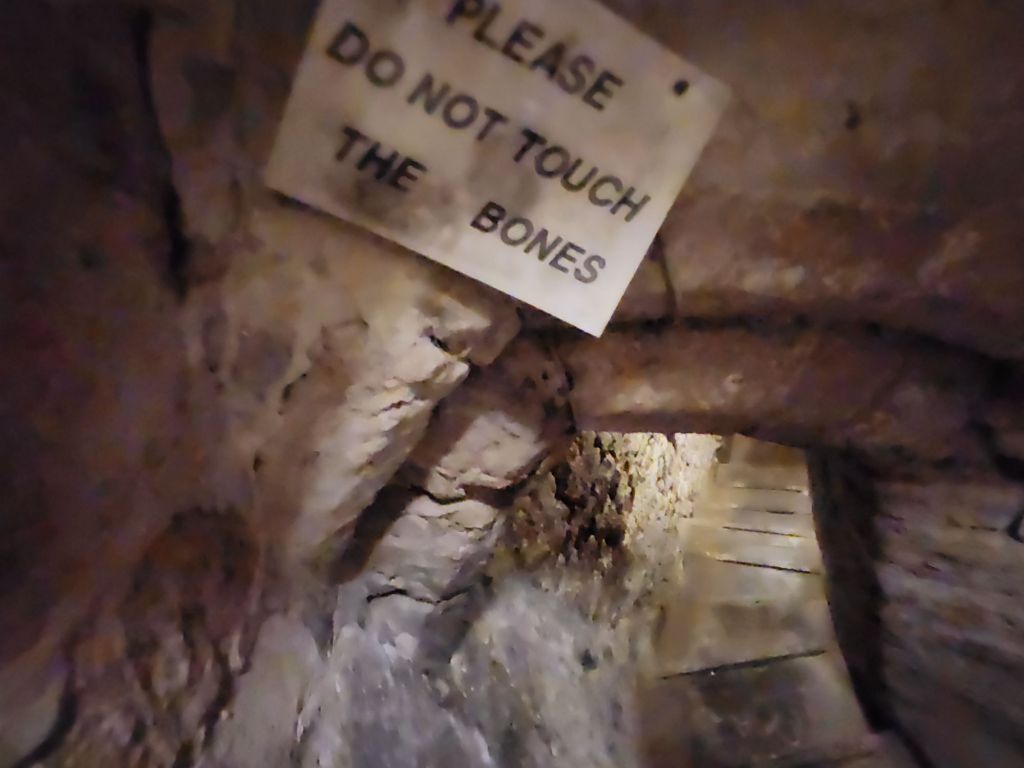
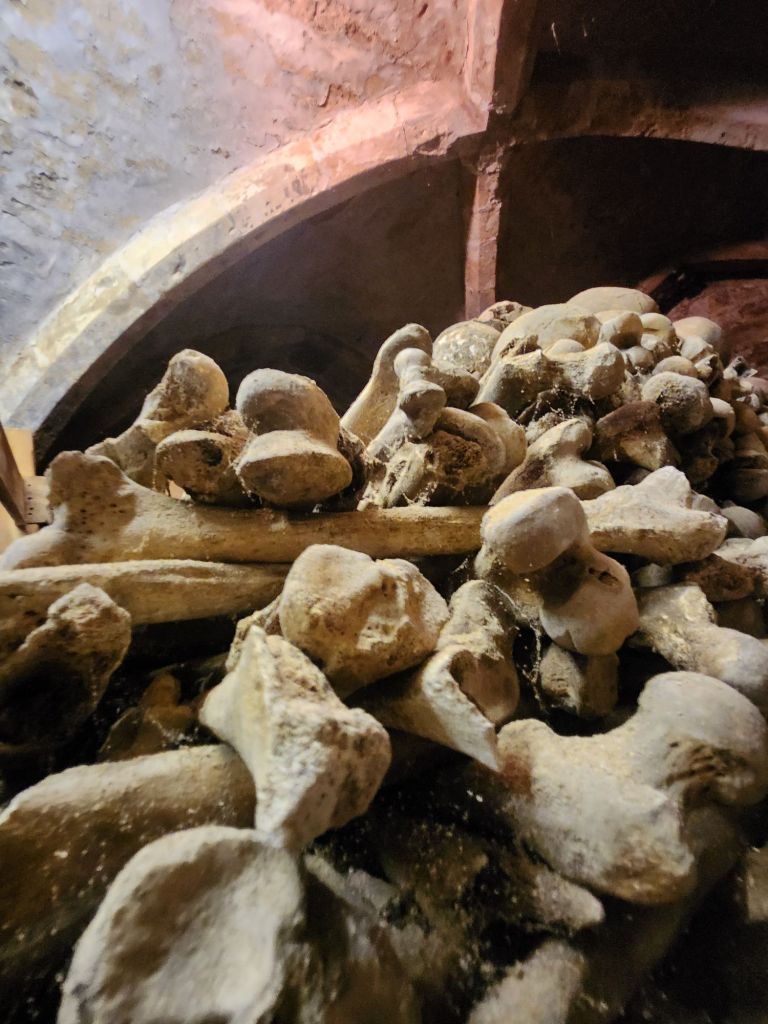
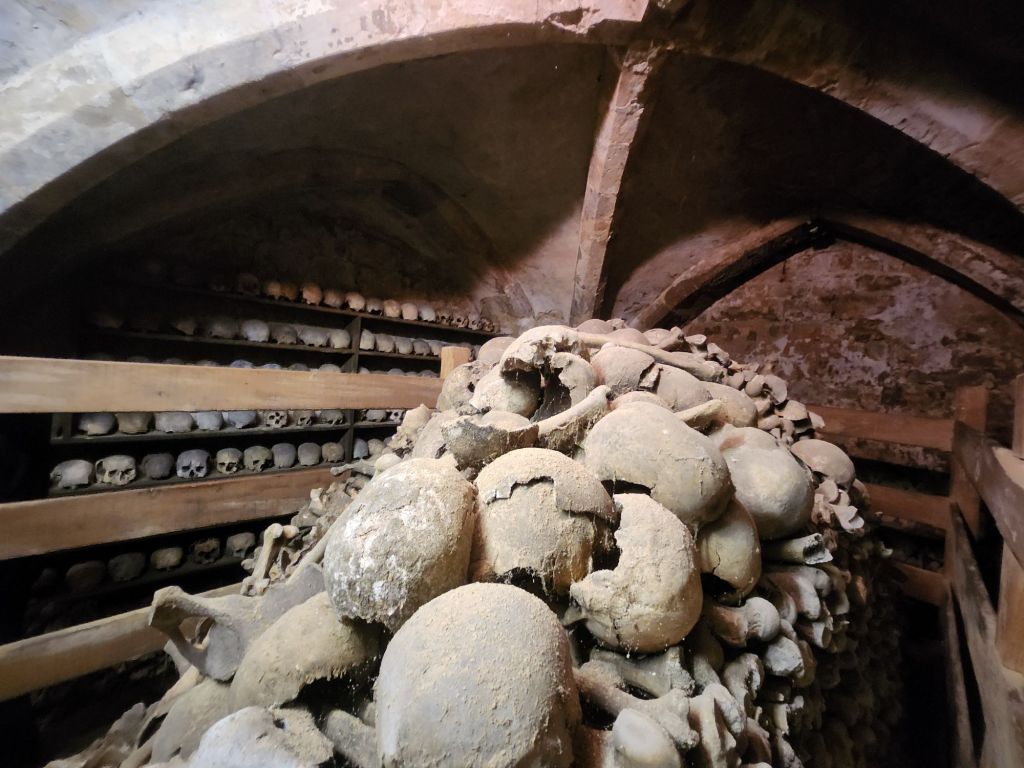
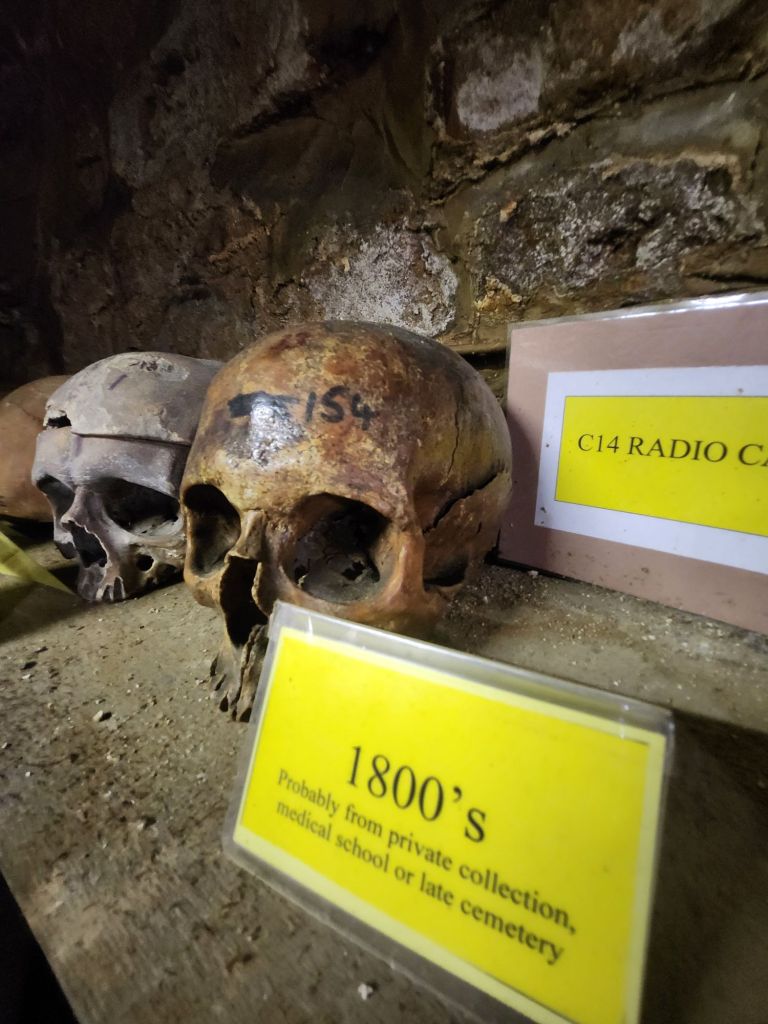

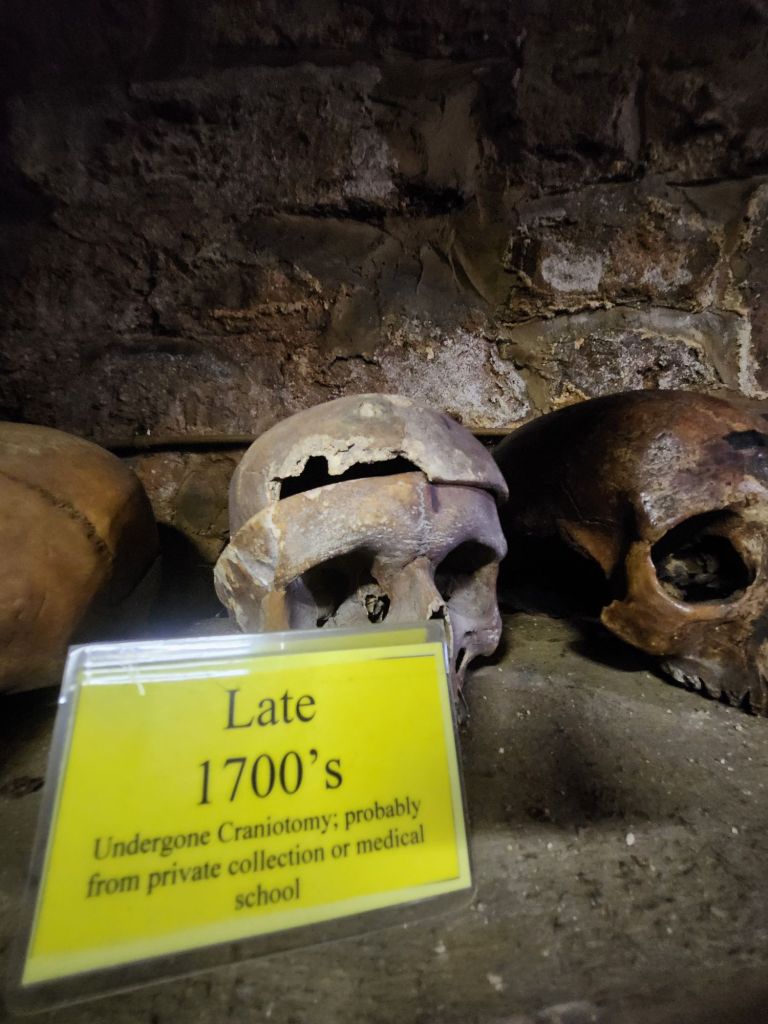


It is highly likelihood is that in medieval times, bone crypts were not uncommon.
After the flesh had rotted away from a cadaver, the bones were carefully collected and stored in a communal space where they could be visited and prayed over. It was widely thought that our bones held energy of those that had passed.
There was good money to be made by a church which could offer a holy final resting place, with prayers said on behalf of the deceased to help speed their way through purgatory to reach heaven as soon as possible. It was a common belief that whilst our Ancestors was in purgatory, they could come back to visit us so such a place would be visited often by those grieving for those they had lost.
After the Reformation, this practice was absolutely forbidden, so ots thought at this point the crypt was closed and possibly hidden.
Haunted?
According to staff, it isn’t. However, upon the crypt door, a photograph sits, which some believe has a ghostly capture of an apparition of a previous vicar.
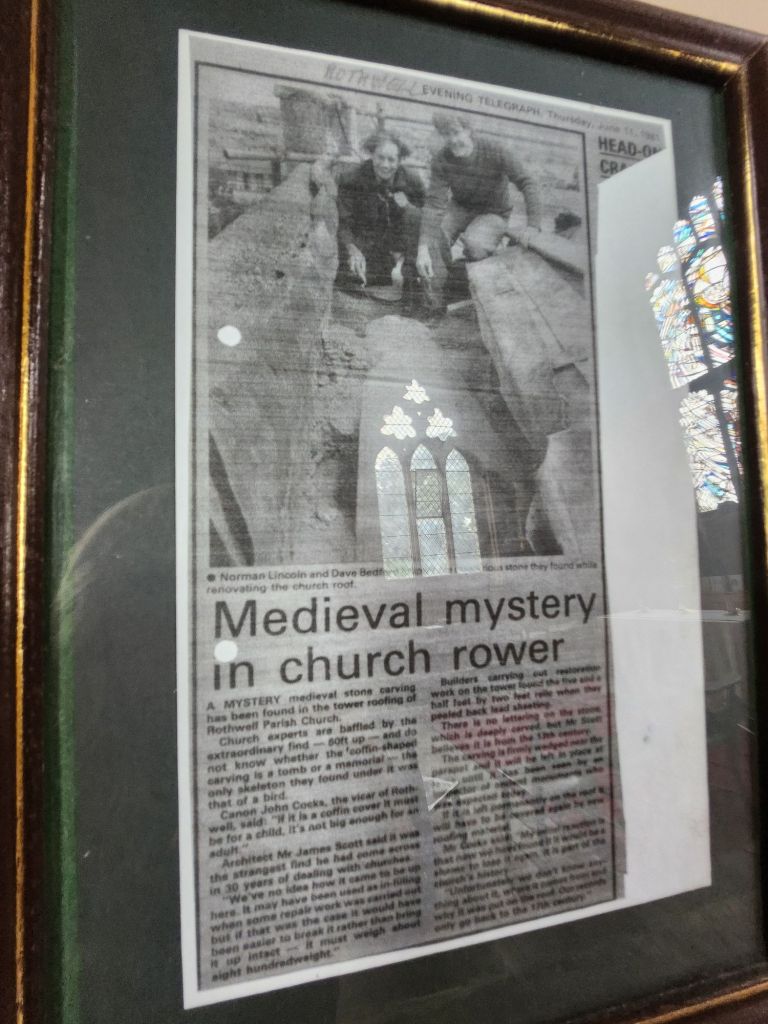
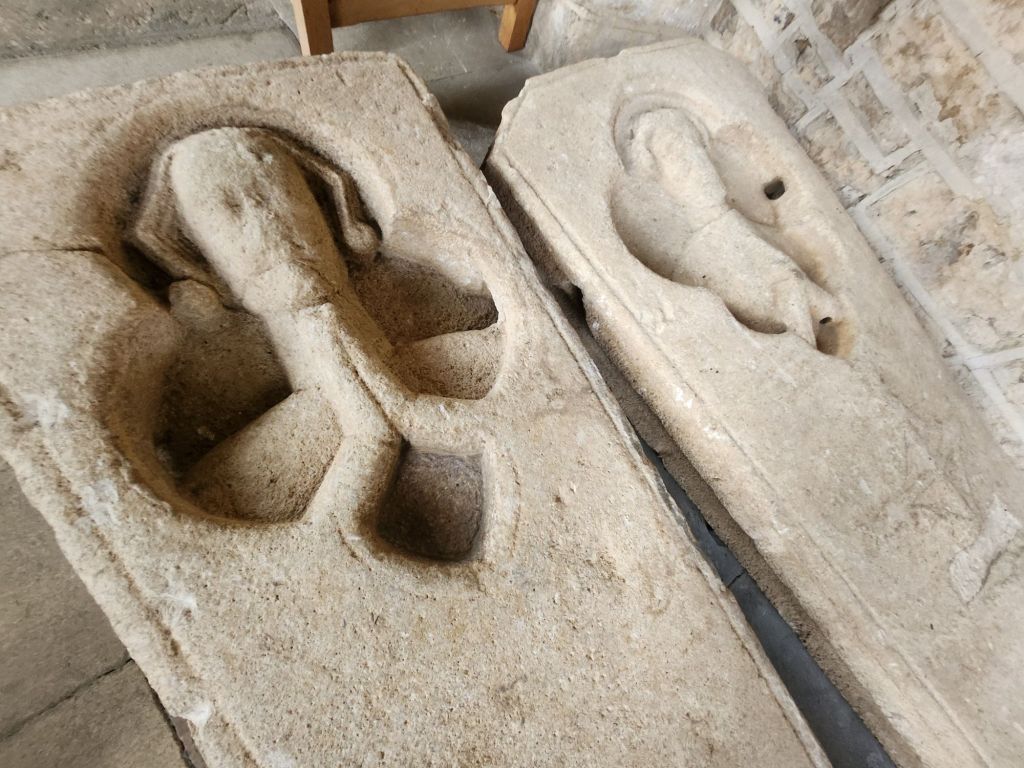
Another little mystery about this church is that during restoration work on the roof, two 13th century grave covers were found. The only skeletonal remains found was that of a bird! It is unsure who they were for, but based on the size thought to be for a child? It lays a mystery to why they were stored in the roof and to why they were not used.



 Paranormal Hauntings
Leave a comment